
By Shahidul Islam from Rajshahi
A public gathering in Rajshahi has called for transforming the current fossil fuel–dependent food system into a green, sustainable, and equitable model based on renewable energy. The event was held recently at Lalon Shah Muktamancha, organized jointly by the Fight Inequality Alliance, WE The 99, BARCIK and the Barendra Youth Forum as part of the Global Red Campaign.
The rally brought together youth, farmers, environmental activists, civil society members, journalists, and educators from across the drought-prone Barind region.
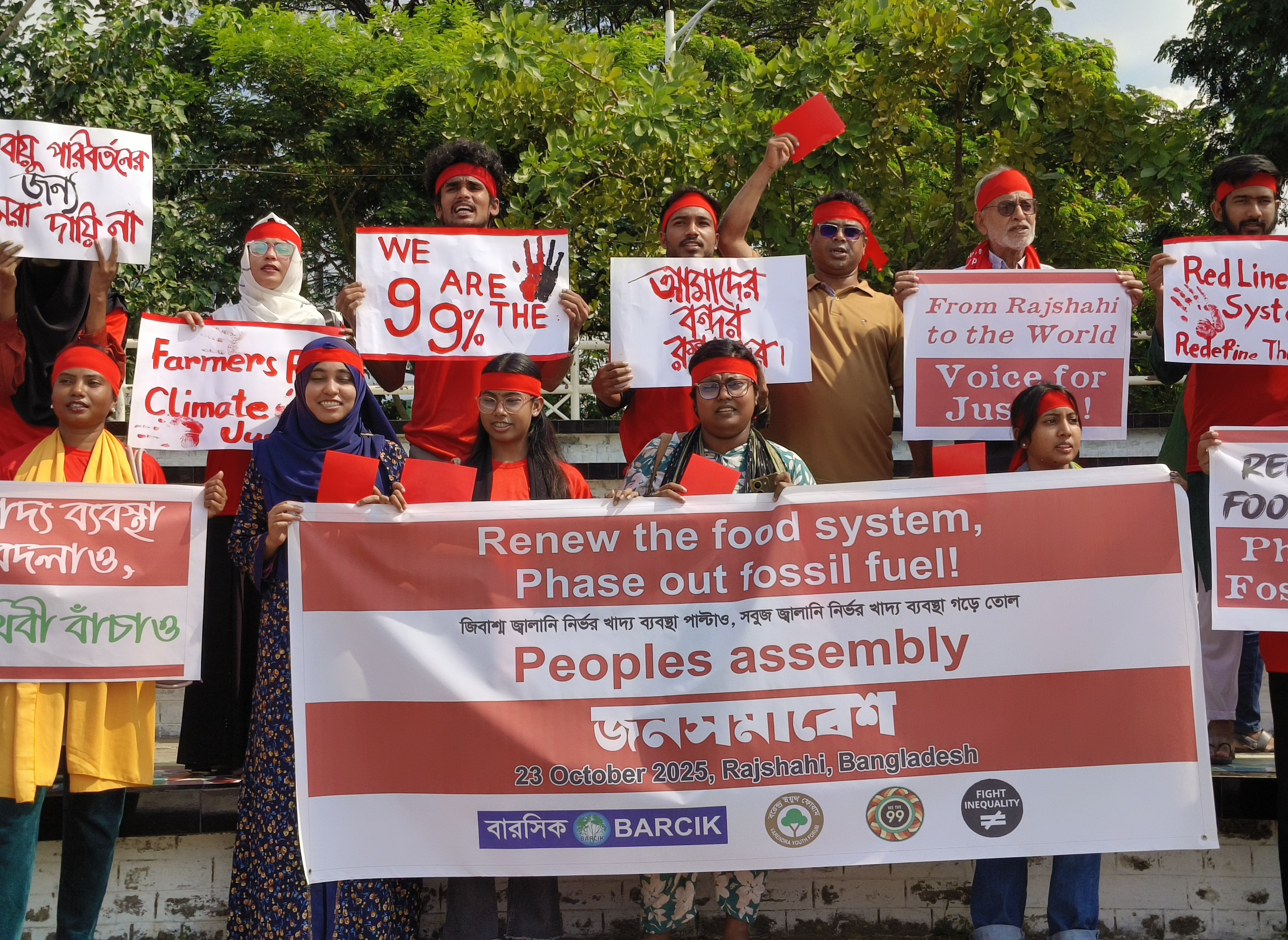 f
fSpeakers at the gathering highlighted that only 1% of the world’s population mainly from G20 nations control the wealth and resources of the remaining 99%, exacerbating environmental destruction and climate change. As a result, they said, local cultures, resources, and ecosystems are being lost.
The participants demanded urgent measures to transition from fossil fuel–driven agriculture to green, biodiversity-based food systems, ensuring sustainability and justice for all living beings.
On behalf of the Barind region, the Fight Inequality Alliance urged world leaders attending the upcoming G20 Summit to address global inequality and climate justice, emphasizing the experiences of Bangladesh’s drought-affected communities.
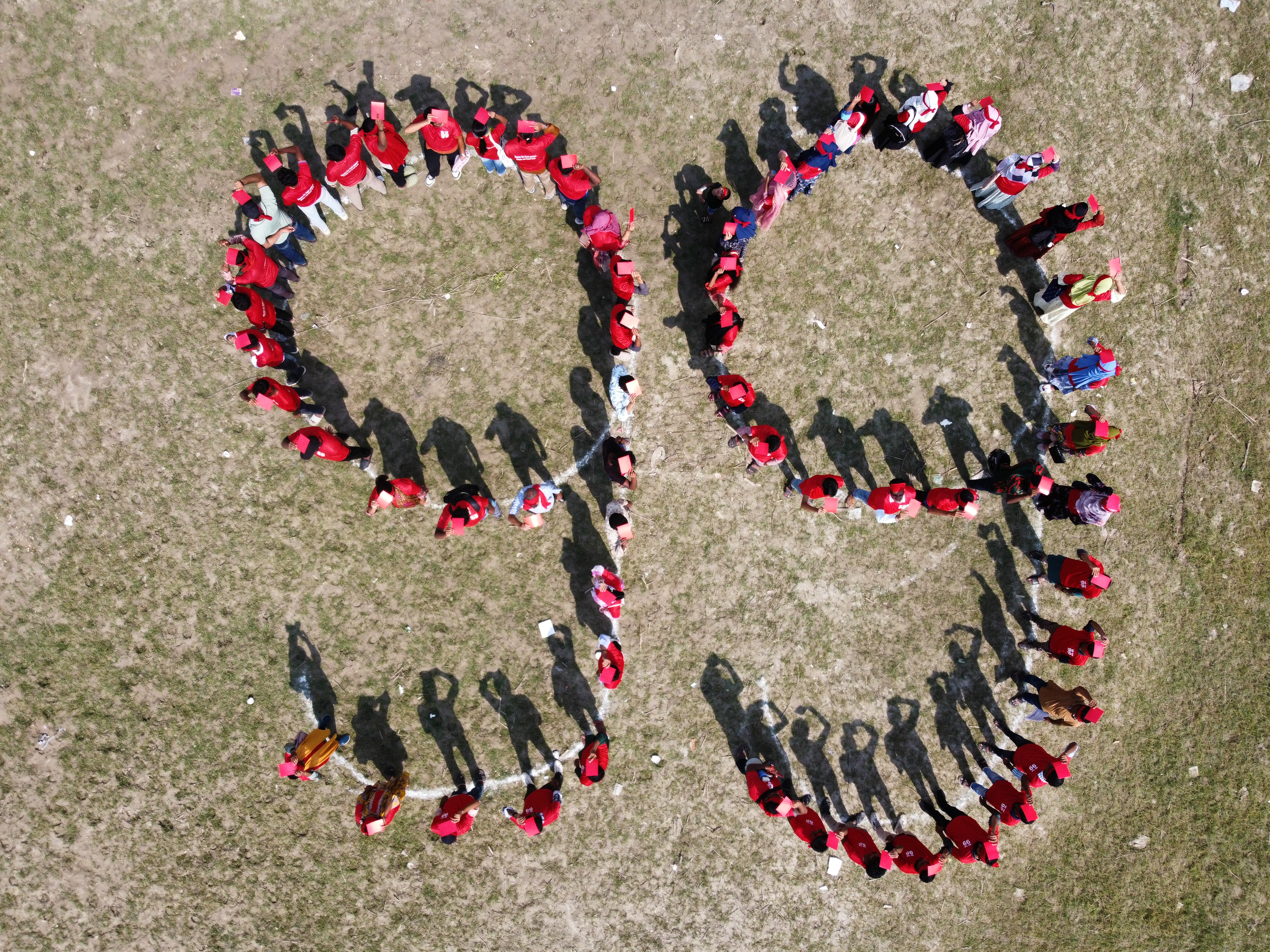
Presenting a position paper in the event, Md. Shahidul Islam, researcher and regional coordinator of BARCIK, stated that BARCIK will represent Bangladesh’s perspective at upcoming global platforms, including COP30 and the G20 Summit. He underscored the urgency of reforming global energy use, eliminating inequality, and building environment-friendly food systems.
Social and cultural activist Wariur Rahman said, “Our food and culture must reflect nature, it doe not destroy it.” Shaikh Tasnim Jamal, President of the Barendra Youth Forum said, “The youth demand a safe planet where all forms of life can thrive together.”
Indigenous youth leader Sabitri Hebrom said that climate change is threatening indigenous peoples’ rights and traditional food systems saying, “Rich countries must take responsibility and provide compensation.’
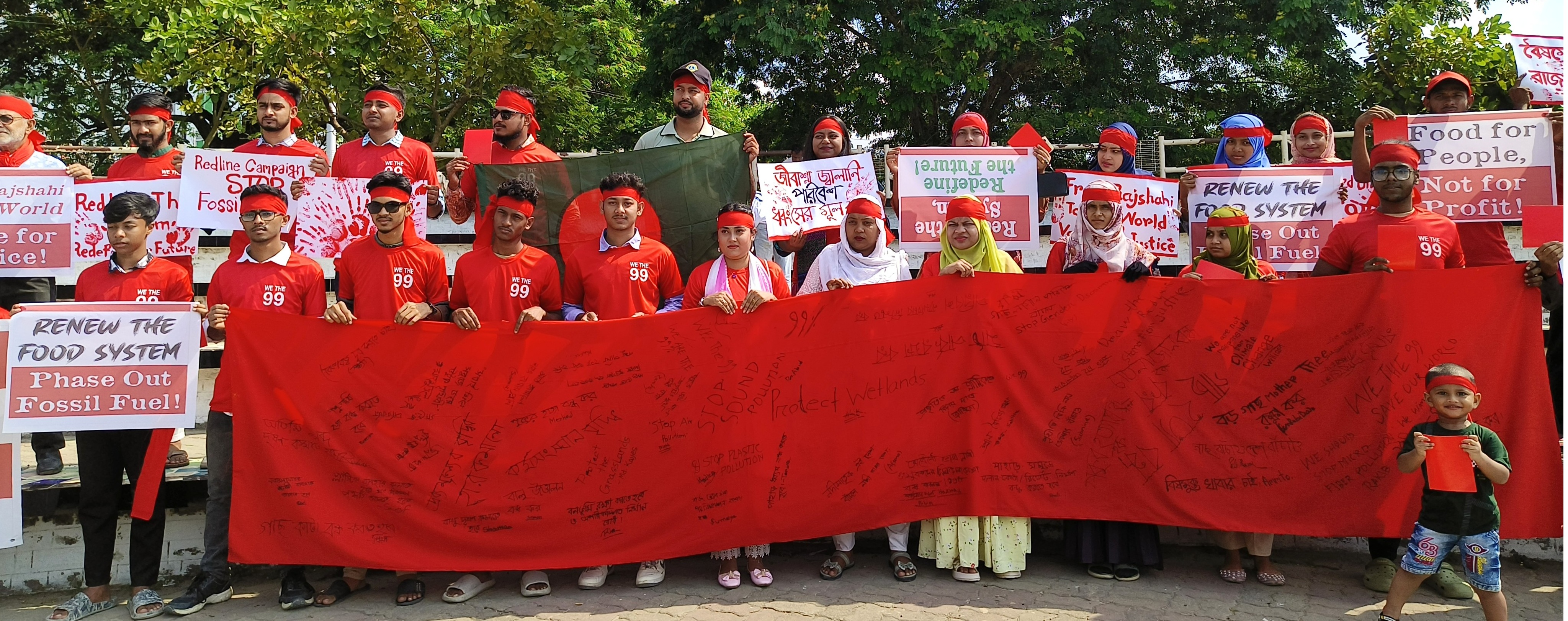 f
fYouth environmentalist Md. Hasibul Hasnat Rizvi said, “The development agendas of rich nations often harm countries like ours. This exploitation must stop.”
At the end of the rally, Atikur Rahman Atik, Rajshahi Youth Coordinator of the Global Fight Inequality Alliance, presented a six-point declaration to be placed before the G20 and UN Climate Summit (COP30). The demands are seen below:
- End fossil fuel–based food production and its negative impacts.
- Promote green energy and sustainable agricultural alternatives.
- Empower small-scale farmers to ensure food security and sovereignty.
- Adopt environment-friendly and equitable food policies.
- Reduce fossil fuel subsidies and strengthen green energy initiatives.
- Ensure justice and rights for the global 99% population.