
By Happy Roy from Netrakona
Countless canals, wetlands, and rivers weave across Bangladesh, through rural life, sustaining communities with water, fish, fuel, and uncultivated plants. Yet for many ordinary farmers, access to these shared natural resources is increasingly restricted by powerful interests.
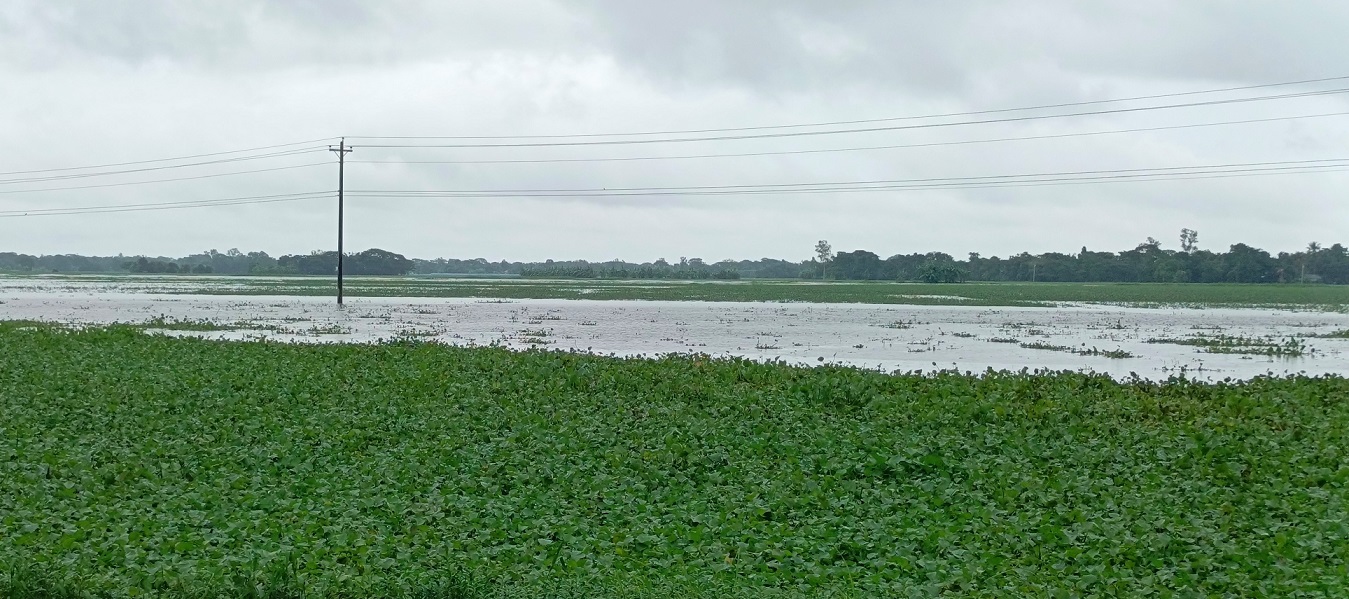
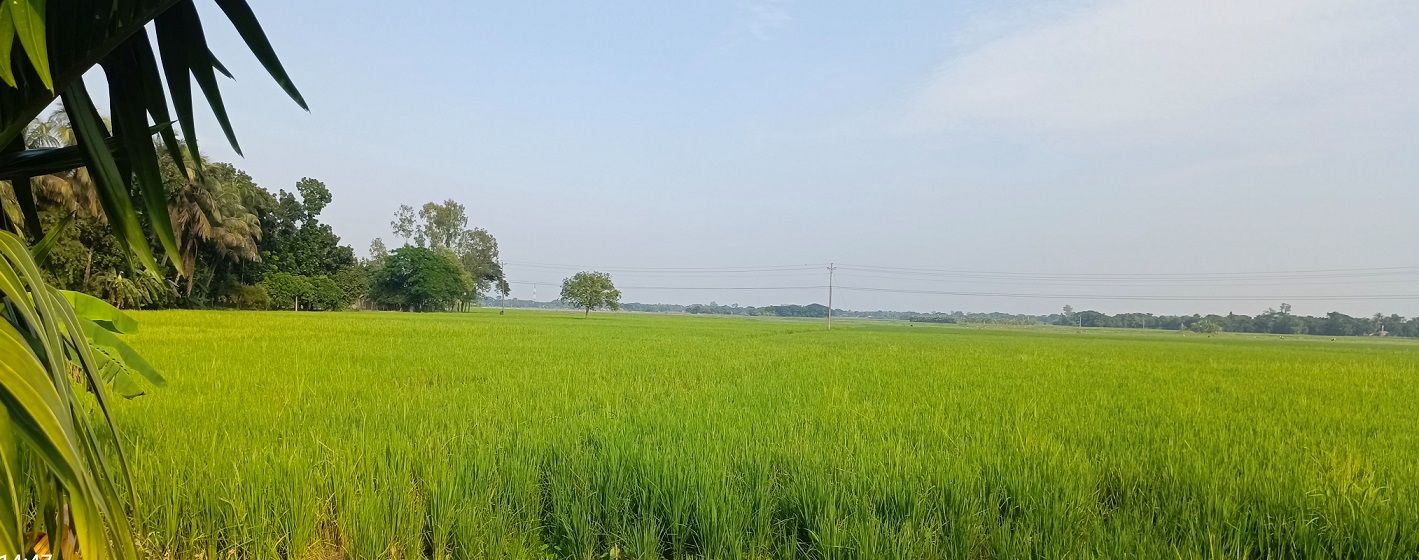
In Atpara upazila’s Baniajan Union, the Pingla Canal flows along the southeastern edge of Paharapur village, stretching nearly three kilometers and about 20 feet wide. Passing through parts of Paharapur, Baniajan, and Mobarakpur villages, the canal eventually meets the Magra River. For half the year, when water dries up, farmers cultivate paddy on the canal bed. Over time, however, landowners whose plots border the canal have gradually occupied large sections, which is an estimated 120 to 150 acres effectively denying other villagers access to its resources.
 0-4480×2038-0-0#
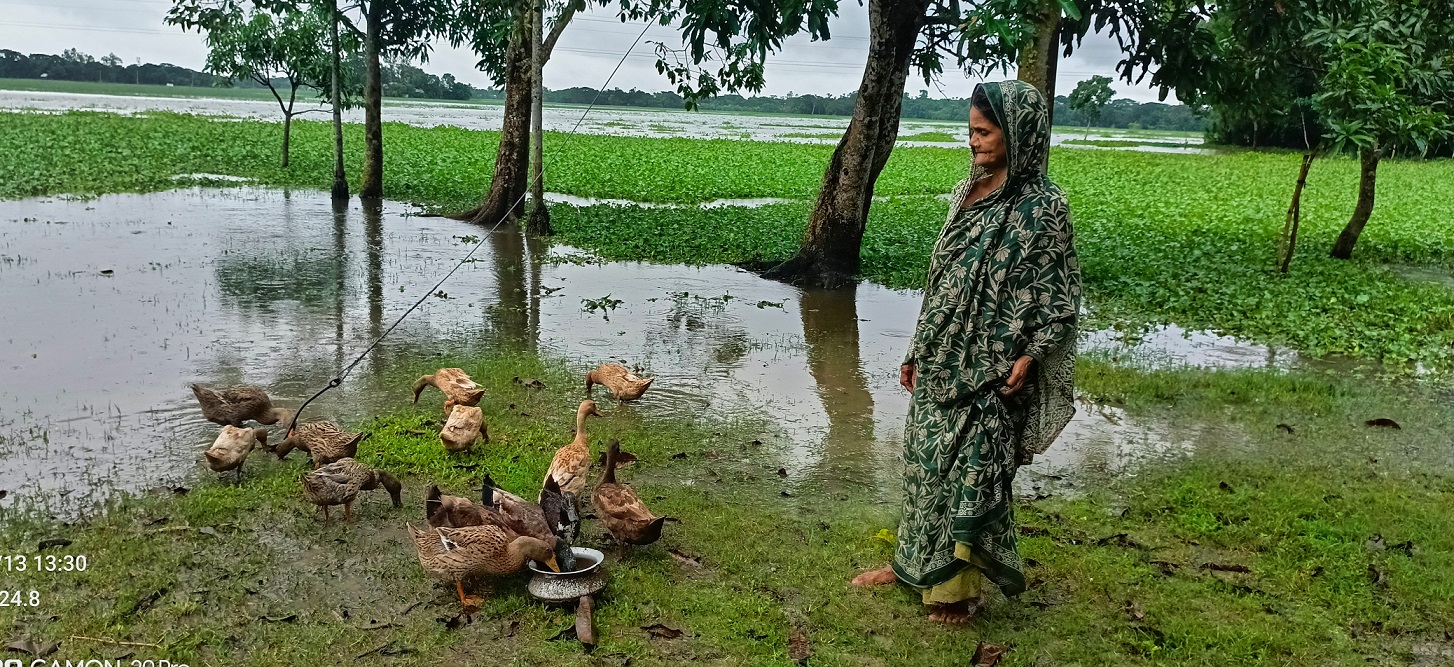
The situation worsened in the mid-1990s when the downstream Gaine Bari canal was blocked and filled, cutting off natural drainage. Despite protests and violent clashes between villagers, the filling continued under political influence. Since then, rain and floodwater have remained trapped, causing chronic waterlogging in Paharapur. Crops fail, especially during the aman season, and once-abundant native fish species koi, shing, magur, shrimp, punti, and others have nearly vanished.
 0-4480×2038-0-0#
Today, only landowners benefit from the remaining fish and resources. Poor households struggle to collect fodder, fuel, or wild vegetables, often facing resistance. Nearly 300–350 people are affected by crop losses, declining fish stocks, and shortages of basic natural resources.
Local farmers hope the canal will be reclaimed, re-excavated, and fitted with a sluice gate. Restoring Pingla Canal, they believe, would end waterlogging and return this shared lifeline to the community.
Sources: Md. Haque Mia, Russell Mia, Angura Akhter, and Sona Mia.