
By Monika Paik, from Shyamnagar
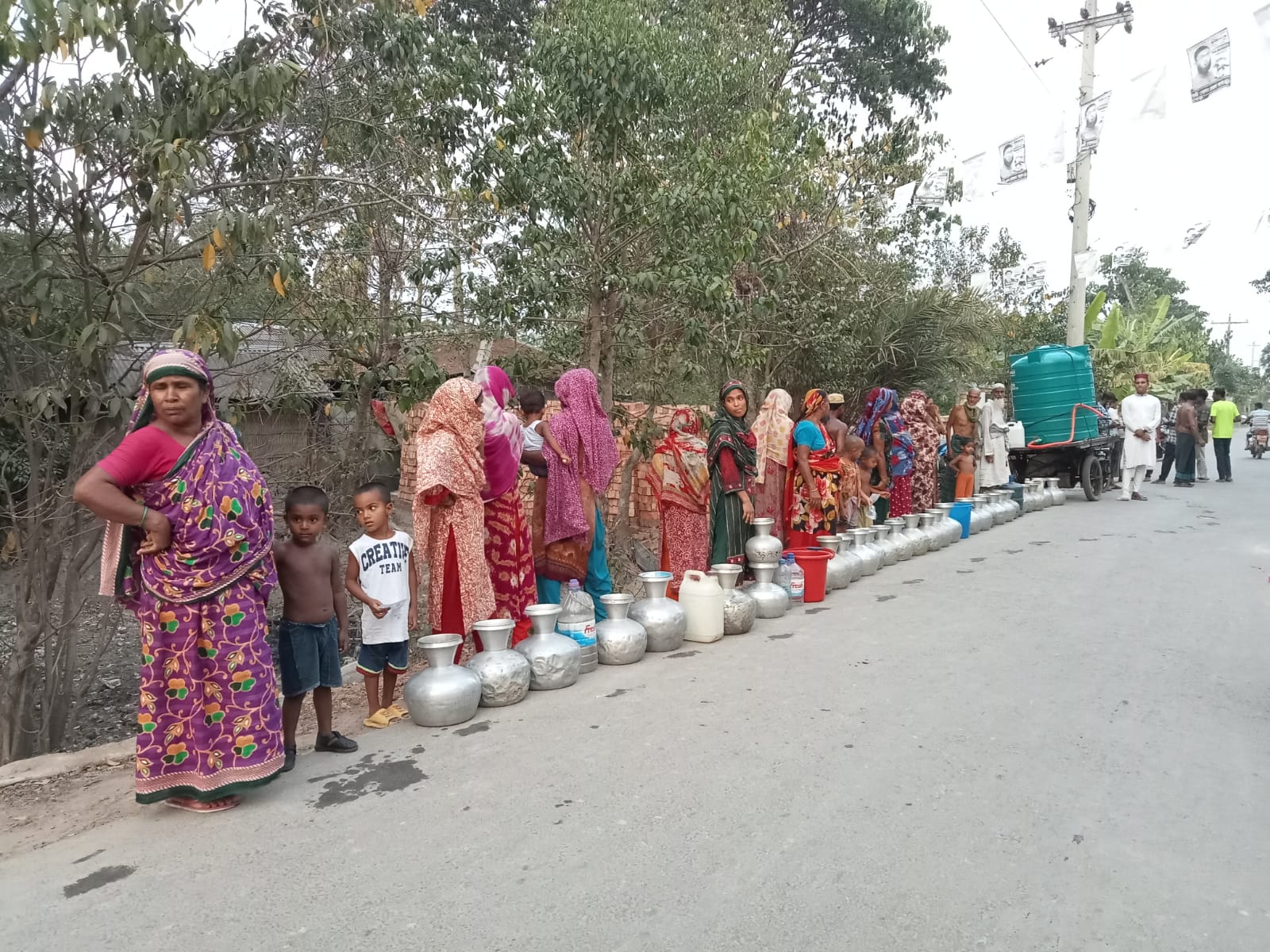
Coastal regions are surrounded by water everywhere. There is no shortage of water; water can be seen all around. However, most of it is saline, making it unsuitable for drinking or household use. As a result, there is a severe shortage of safe drinking water and usable water for daily activities. Women in these areas spend a significant portion of their day fetching drinking water.
People in coastal regions rely heavily on pond water and rainwater for drinking and everyday tasks. Even before the onset of extreme summer heat, a crisis of drinking and usable water has already emerged. As temperatures rise during the summer, this crisis is expected to intensify further.
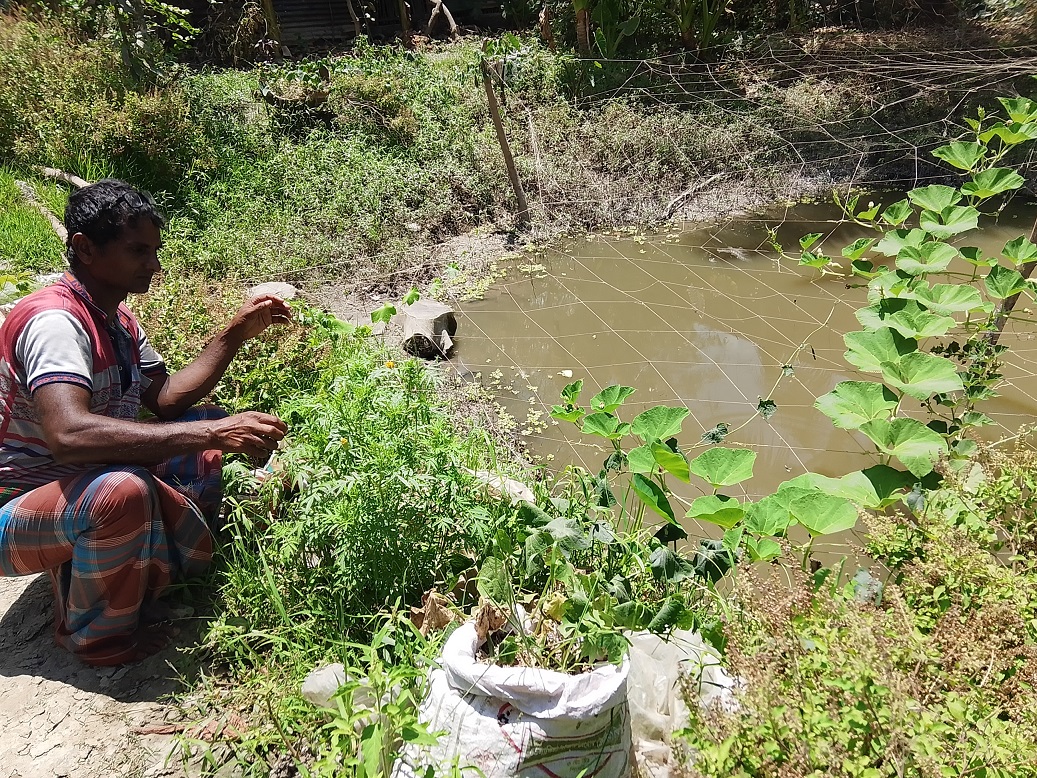
The increasing salinity in soil and water is shrinking the sources of fresh water. During the rainy season, community people adopt various methods to preserve water. However, once these reserves are depleted, the water crisis begins. Marginalized families then depend on water from ponds and ditches. Due to the acute shortage, people are forced to use saline water for cooking, washing dishes, bathing, and other household activities. Consequently, various diseases are spreading, posing a serious threat to public health and worsening the economic hardship of families.
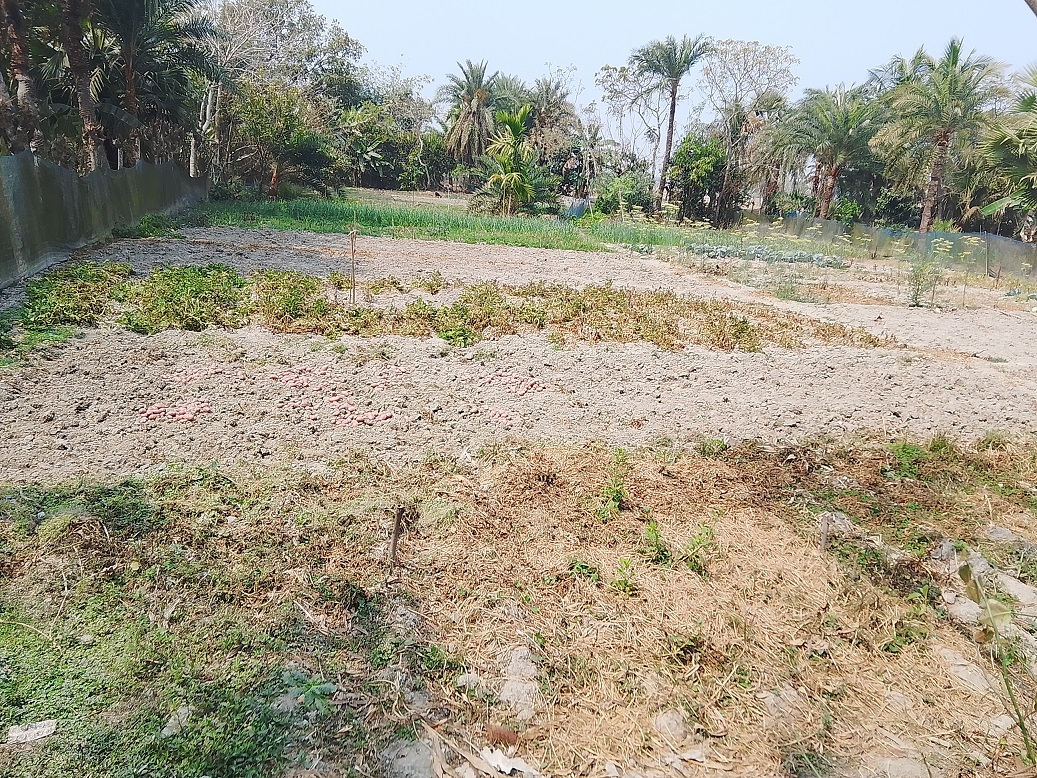
Soma Parveen from Datinakhali village says that climate change is altering seasonal patterns, which is directly affecting water availability. As temperatures rise, the severe water shortage turns their vegetable gardens into barren land. She said, “We are forced to buy food from the market. Women face numerous physical challenges while collecting water, and malnourished children are being born. This also contributes to increasing family conflicts and even divorce.”
The shortage of safe water creates economic pressure on poor families and exposes them to various health risks, effectively doubling their financial burden. During these times, the lack of drinking water becomes one of the major barriers preventing low-income families from escaping poverty. Moreover, the water crisis affects women and adolescent girls differently. Many of them have to travel long distances to collect water, which adds physical and mental stress. The use of saline water also puts women’s reproductive health at serious risk in coastal regions.
To address the drinking water crisis, the government and various organizations have taken several initiatives. One such effort includes providing water storage tanks to underprivileged families, primarily for harvesting rainwater. However, these systems are ineffective during the dry summer months. Additionally, Pond Sand Filters (PSF), which are widely used to supply safe water to local communities, often fail due to reduced water sources and poor maintenance. At times, these filters do not provide water consistently, and the quality is not always reliable. A key issue is that the responsibility for maintaining these systems is often assigned to local communities, whereas in urban areas, government agencies handle water supply management.
Previously, there were several community-owned ponds dedicated to providing safe water, and villagers took care of them. However, many of these ponds have now been encroached upon or filled in.
River erosion is causing the loss of agricultural land, displacing people, reducing crop production, and killing fish in ponds and enclosures. As most people in this region depend on agriculture for their livelihoods, farmers are increasingly at risk. To ensure sustainable development, protect the Sundarbans and coastal areas, secure safe drinking water, and safeguard livelihoods, various government and non-government organizations have been organizing human chains and other programs, demanding climate-resilient and environmentally sustainable planning and implementation.