
By Sultana Khatun from Rajshahi
Bilnepalpara village in Darshan Para Union of Paba Upazila, located in the Barind region, is mainly dependent on agriculture. In 2016, BARCIK started different development activities in the village. Later, based on local demand, a 35-member women’s organization named Bilnepalpara Women’s Organization was formed.
In 2017, eight members of the organization visited Madhabpur village in Bargachhi Union to exchange experiences with Monira Begum and Renuka Begum. After the visit, with support from BARCIK, they became interested in producing vermicompost. Sultana Khatun started her journey with only two compost containers and earthworms worth 200 taka. Gradually, she expanded the initiative.
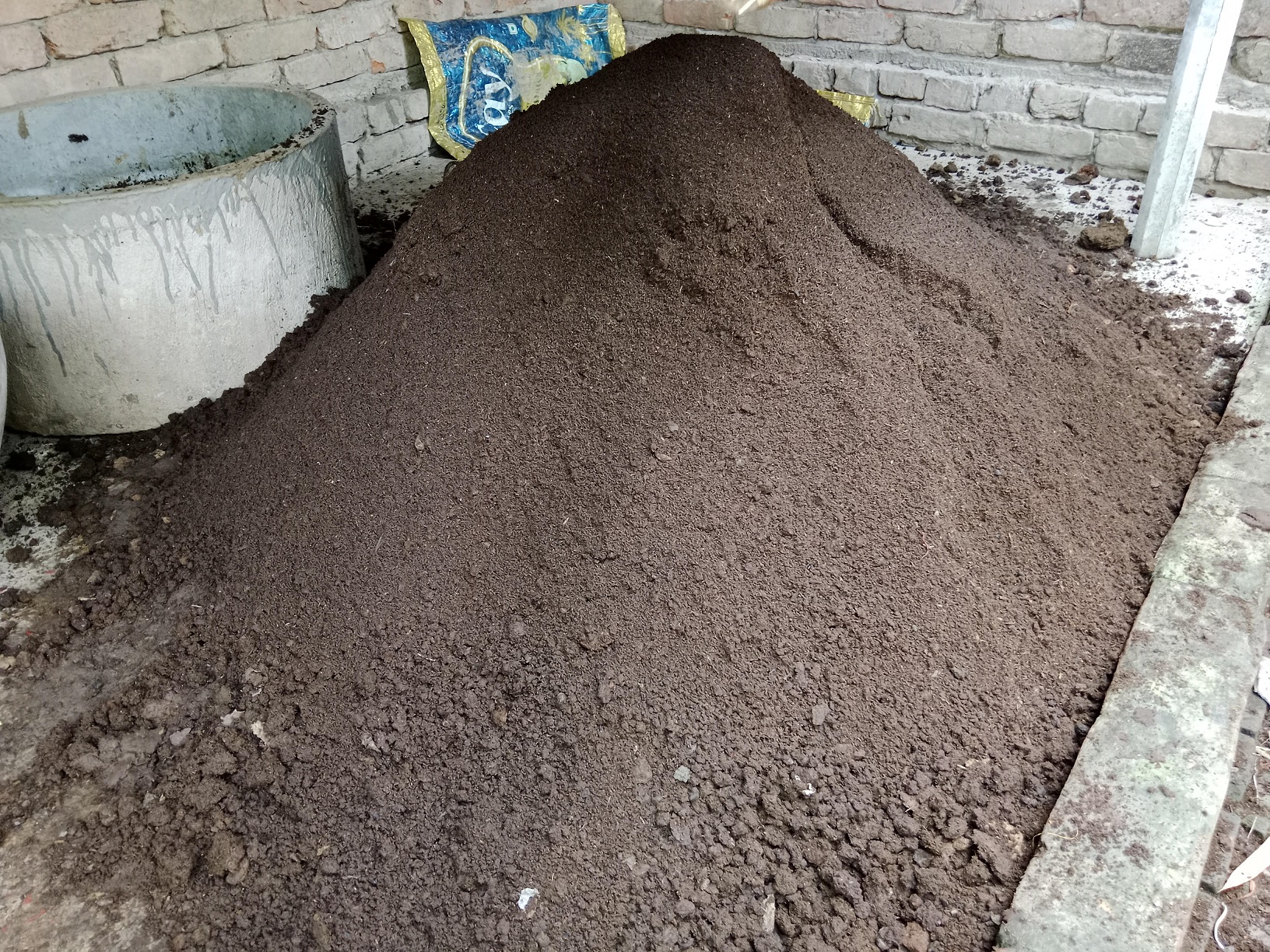
During the COVID-19 pandemic in 2020, when many families began cultivating safe and diverse vegetables at home, she further expanded her vermicompost farm. She bought more worms from Bilkis Begum of Karigarpara village and enlarged the project. At present, her farm has 40 compost containers and three ring pits, producing around 6–7 maunds of vermicompost every month.
Sultana Khatun, who manages the local learning center, said many people from Darshan Para Union visit the center to learn about vermicompost production. Inspired by the initiative, five women and men received 250 grams of worms each and have already started producing compost at home. Interest in organic fertilizer is increasing throughout the area.
Farmer Tushar Ali, who visited the learning center, said he had never seen how vermicompost was produced before. After learning the process, he became motivated to start production at his own home.
Previously, farmers in Bilnepalpara mainly cultivated rice. Now they are increasingly interested in diversified farming, including vegetables and other crops alongside rice. Young farmers in the village are especially interested in using organic fertilizer.
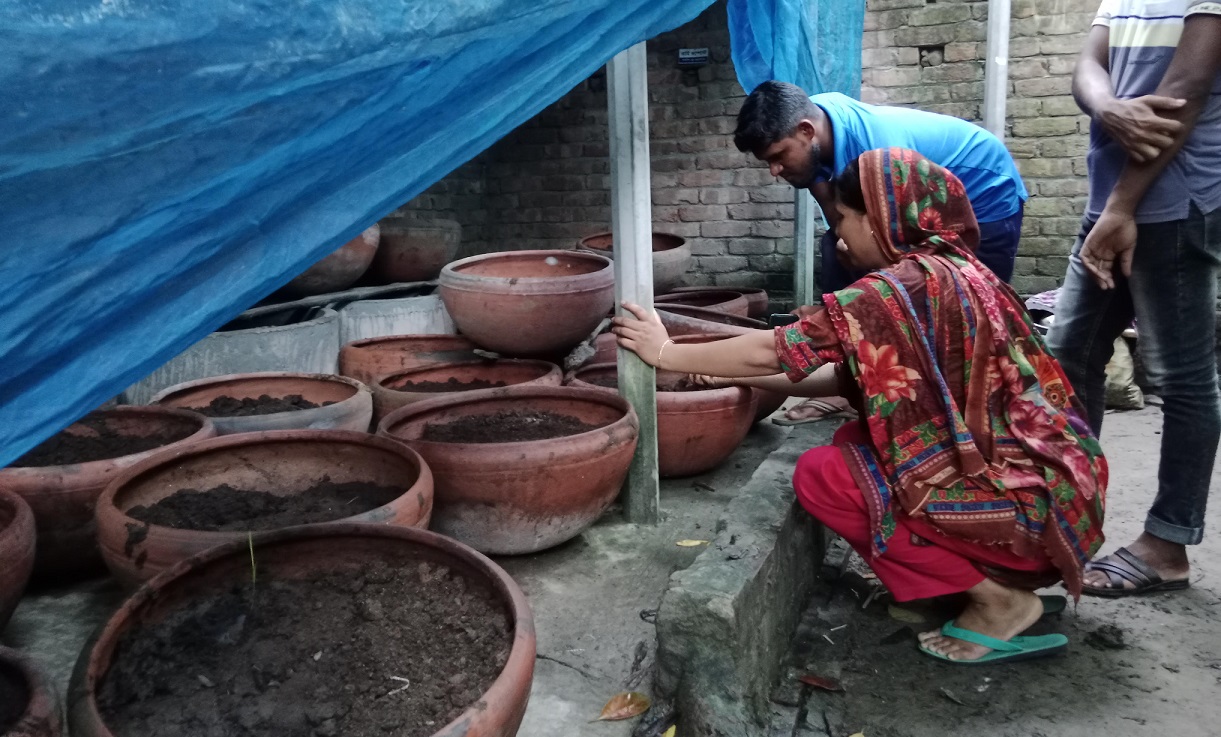
In 2020, with support from BARCIK, an agroecology learning center was established in the village. The center trains local people on safe vegetable cultivation, local seed conservation, organic pesticides, climate adaptation strategies, vermicompost production, and knowledge sharing.
Farmers mention that vermicompost plays an important role in protecting soil health and improving soil fertility. Healthy soil leads to better crop production without relying heavily on chemical fertilizers and pesticides. They further mention that excessive use of chemicals is damaging the environment and causing the disappearance of beneficial insects, birds, dragonflies, and earthworms which often called the “plough of nature.” As soil fertility declines, sustainable agriculture becomes more difficult.
Now is the time to become aware and encourage others to produce and use vermicompost to protect soil health and the environment.